
What is Brainspotting
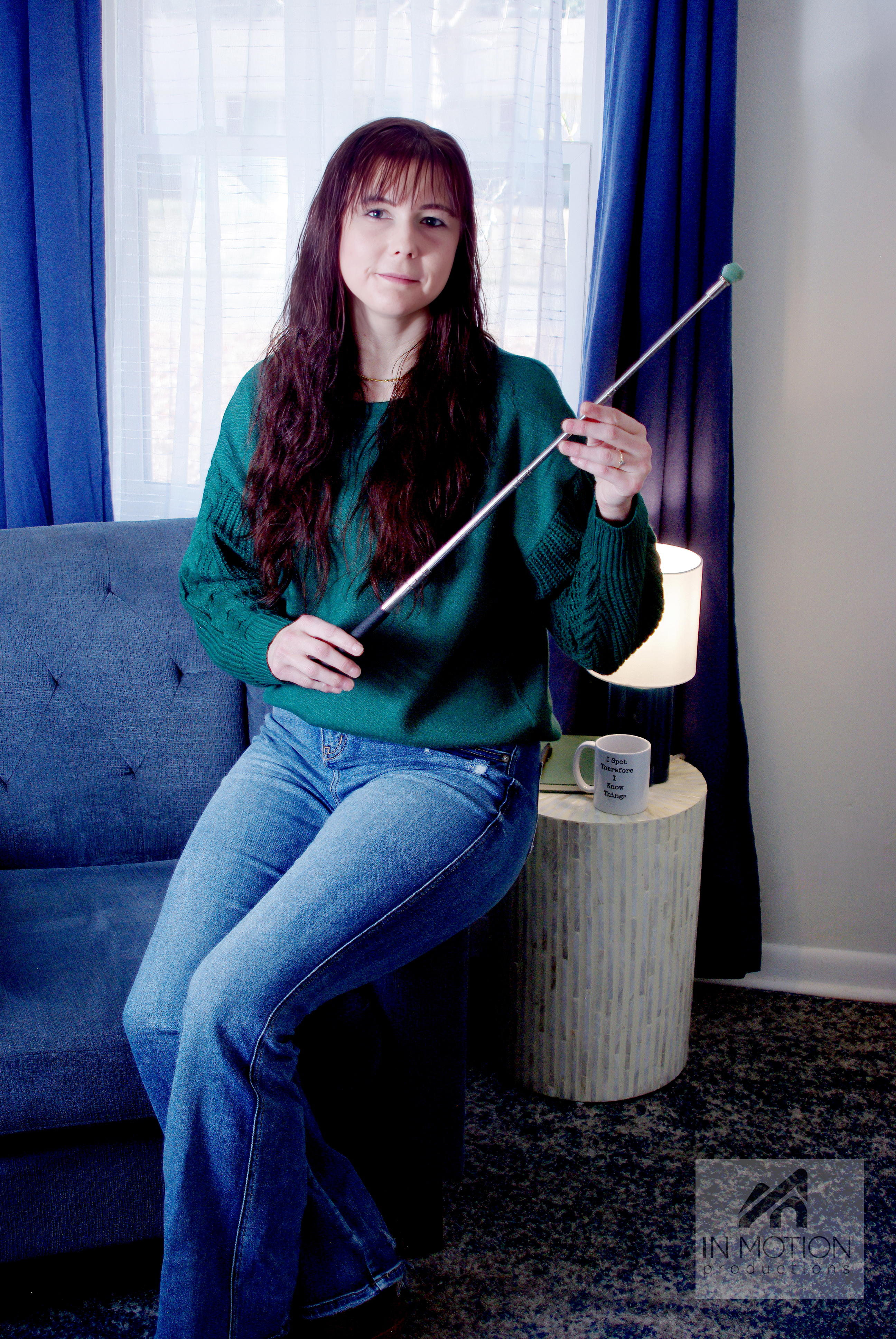
Brainspotting is a trauma-informed approach based on the understanding that where you look affects how you feel. Specific eye positions - called brainspots - can access areas of the brain-body system where experiences have been stored and where the nervous system may be holding stress, overwhelm, or shutdown.
Rather than focusing primarily on analysis or explanation, Brainspotting works with the full brain, including subcortical and survival-based responses that are often not reachable through talk alone. This allows experiences that feel “stuck” in the nervous system to begin moving and processing in a more complete way.
The process does not require you to relive traumatic events or tell your story in detail. Instead, sessions are paced and collaborative, guided by subtle cues in the body, attention, and nervous system responses. The work unfolds in the present moment, allowing processing to occur in ways that feel tolerable and contained.
For many people, Brainspotting feels different from approaches they’ve tried before—not because it’s forceful or overwhelming, but because it follows the body’s lead and works at a deeper level of the brain-body system. By engaging subcortical and survival-based responses directly, the process moves beyond insight or talk alone and allows experiences held in the nervous system to begin shifting. This work is guided by the understanding that the brain and body already hold the capacity for healing, and that when given the right conditions, this wisdom can emerge in ways that are paced by what each nervous system is ready for.
How Brainspotting Developed
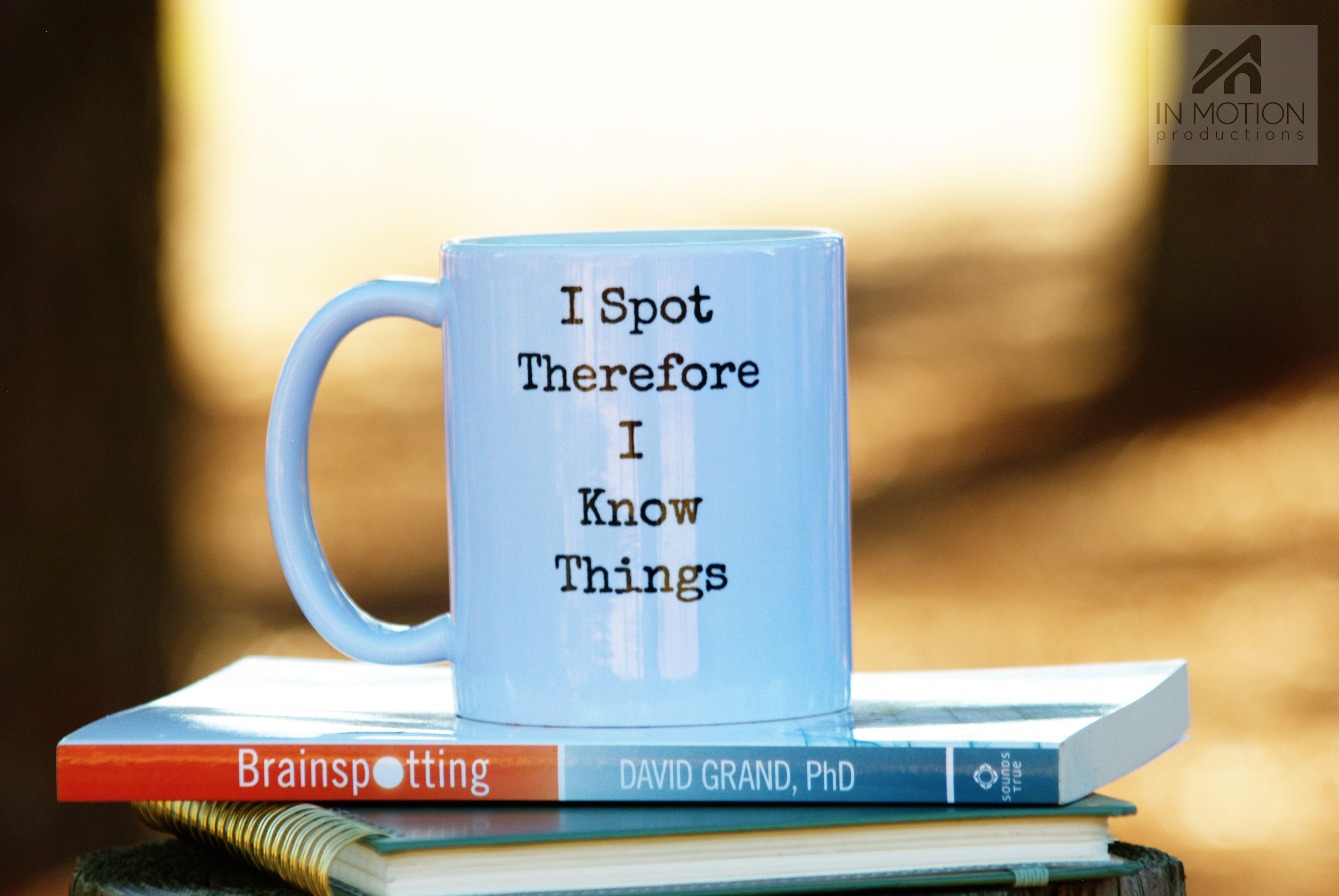
Brainspotting was developed by David Grand, a psychotherapist, in the early 2000s.
The method emerged through clinical observation while working with trauma and performance-related issues. During a session, Dr. Grand noticed that a client’s eye position appeared to correspond with changes in emotional and physical responses. When attention was held at specific visual points, deeper processing seemed to occur without the client needing to explain or analyze the experience. It could be argued that brainspotting has always been, it was just observed and brought into awareness in the early 2000’s.
Why Brainspotting?

Many people come here after talking hasn’t shifted how their body feels. Brainspotting works by finding the eye position that stores the trauma capsule in the brain while providing attunement and space for the "stuck point" to finish processing. Attuning to how your nervous system responds in the moment, rather than requiring you to tell or analyze your experiences, makes space for the processing to complete, therefore providing symptom relief. We often say you don't have to know what it is to know that it is in brainspotting. There is no pressure to “get it right because you are already doing it right. Your system knows how to move toward healing.
This approach can be especially supportive if:
You feel stuck between knowing and feeling
Your body hasn’t caught up to your insight
Anxiety or stress feels rooted in your nervous system
What a Session Can Look Like
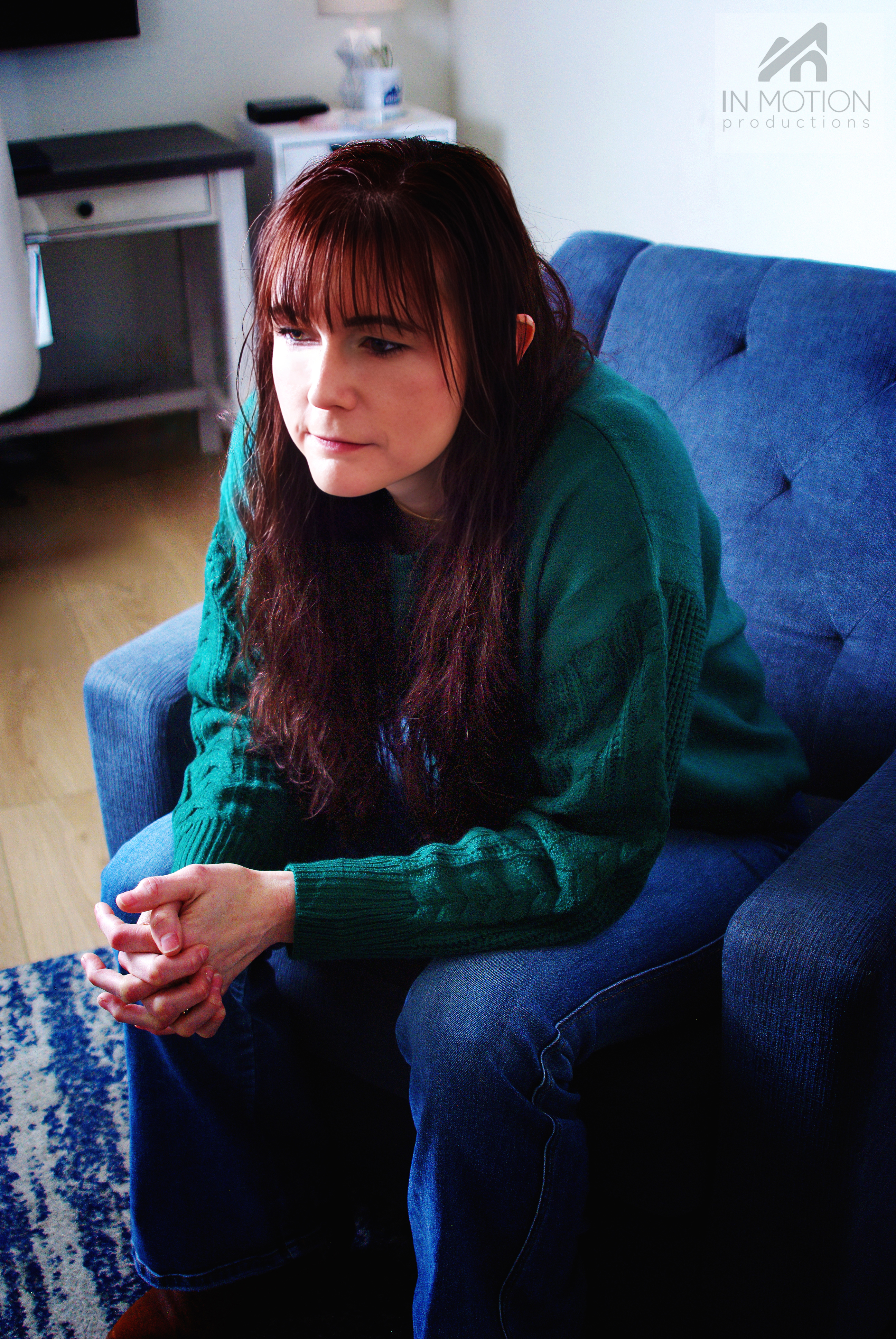
Brainspotting sessions are relational and guided by what your nervous system and goals. You won’t be asked to perform healing, explain your pain in a certain way, or push through discomfort. Instead, we create space together to honor what your system is noticing, including sensations, emotions, or shifts that arise naturally. Some sessions feel subtle and reflective. Others may involve emotional release or physical sensations. Every response is welcome here! This work moves at the speed of trust. Pauses, uncertainty, and not knowing are not problems here - they’re part of the process.
Want to work with me?
WEBSITE
CUSTOMER CARE
LEGAL
Copyright 2026. Wild Hope. All Rights Reserved.